You’ve made the same chai hundreds of times. Same tin. Same pan. Same stove. And yet some mornings it’s perfect — deep, malty, the kind of cup you hold with both hands. Other mornings it’s just tea. You didn’t change anything. The cup did.
This isn’t your imagination. And it isn’t the recipe. At Kartickbari, we’ve spent nearly thirty years manufacturing Assam CTC black tea and watching our own product produce different cups on the same day, brewed by the same person. Here’s what’s actually happening.
“The consistency of your chai depends on at least six variables. Only one of them is the tea.”
The Six Things That Change Your Cup
1. Your water
Water isn’t just water. It carries dissolved minerals — calcium, magnesium, bicarbonate — and the concentration of these minerals is what chemists call hardness. Hard water (common across most of north and western India) actively suppresses the theaflavins in Assam CTC. Theaflavins are what give your chai its brightness and briskness. Too much calcium in the water and the cup tastes flat before you’ve done anything wrong. This is why the same tea brewed in Delhi and Guwahati tastes different. It isn’t the tea.
2. Your milk
Full-fat milk and toned milk brew completely differently. Higher fat content softens the astringency of CTC tea and produces a rounder, creamier cup. Toned or double-toned milk gives you a thinner cup with more tannin bite. The brand matters too — different dairies produce milk with different flavour compounds. And milk that’s been sitting in your fridge for three days behaves differently from fresh milk. Small differences, but they add up in a cup as sensitive as chai.
3. The tea itself — freshness and flush
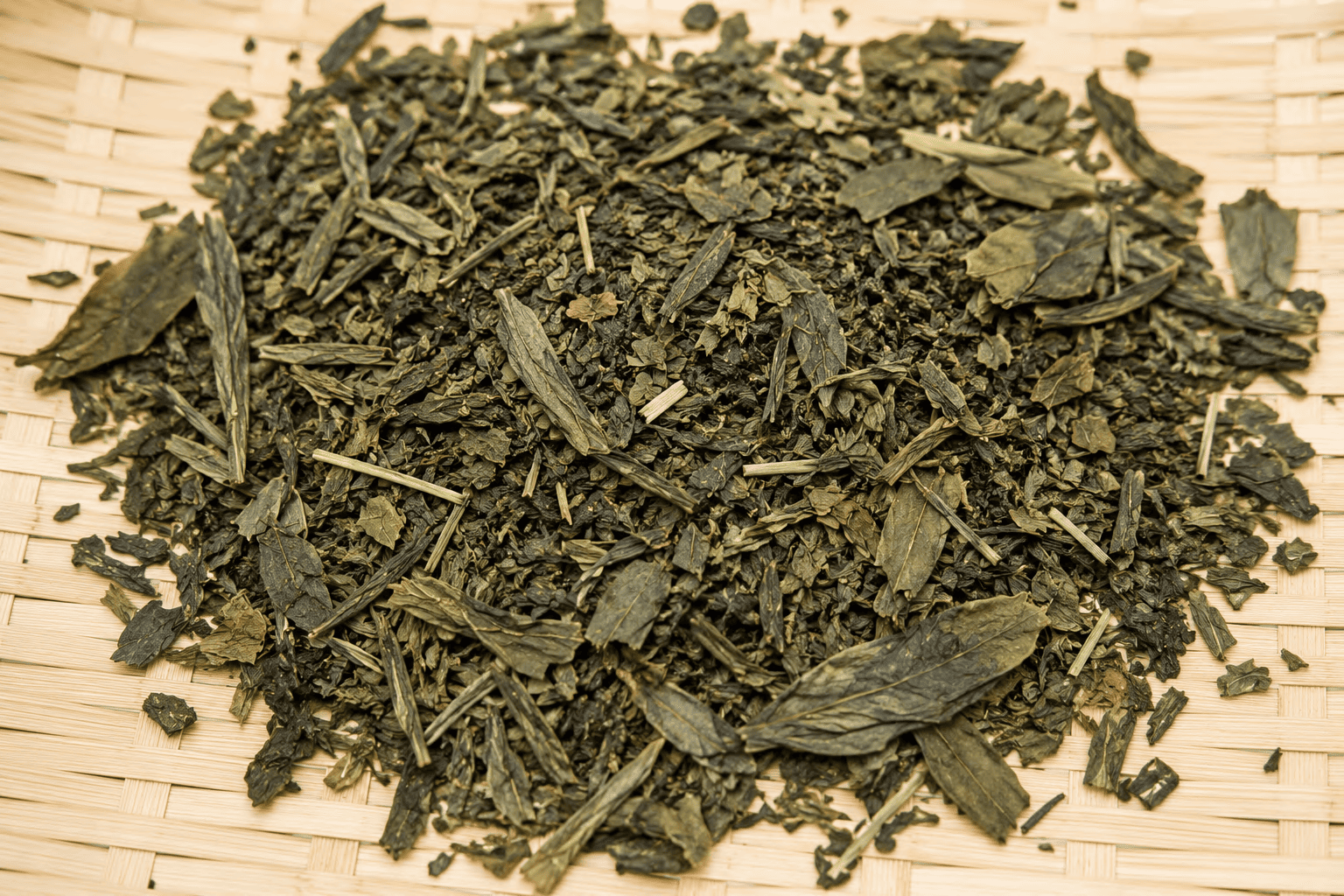
CTC black tea is an agricultural product. It changes with the season. A second flush Assam CTC from May tastes meaningfully different from a first flush from March — deeper, more malty, more of what people mean when they say “proper chai.” And once your packet is open, the volatile aromatic compounds that give fresh Assam CTC its character start to leave. A tin opened four weeks ago brews differently from one opened this morning. The malt is still there, but the liveliness isn’t.
FROM THE GARDEN
We pack Kartickbari in foil-lined bags specifically because this deterioration is real. Once you’ve opened the packet, a sealed tin away from heat and light is the best thing you can do for your chai.
4. Brew ratio and time
A heaped teaspoon versus a flat teaspoon of CTC is a 30–40% difference in quantity. The two-minute simmer in water before the milk joins — which extracts the theaflavins properly — is something one person does and another skips without thinking. The slow Sunday cup is almost always better than the rushed Tuesday one, even from the same tin. You’re not imagining it.
5. The pan and the heat
A thin-bottomed pan creates hot spots. An induction stove delivers consistent heat; a gas flame varies with pressure. A heavy-bottomed pan simmers more evenly and gives the tea more time to extract without burning. The chai at a dhaba sometimes tastes better partly because of the large, seasoned vessel and the commercial burner. You can get closer at home with a heavier pan and lower heat.
6. The time of day — and you
Your palate changes throughout the day. The first cup on a clean morning palate, before food, is the most sensitive your taste receptors will be all day. The third cup at 4pm is perceived differently — even if brewed identically. This is physiology, not preference. Olfactory and gustatory perception shift with fatigue, food eaten, and hydration. The chai isn’t always what’s different.
What Single-Estate CTC Changes
Commercial tea blends are designed to taste the same every time — they combine teas from many gardens to smooth out seasonal variation. The trade-off is character. At Kartickbari, we’re a single estate. Our tea changes slightly with the flush, with the season, with the year. We call this transparency. What we control tightly is the processing — the withering duration, the roller settings, the oxidation time, the drying temperature. The variables inside our factory walls are managed consistently.
The variables in your kitchen — water, milk, time — are now yours to manage. And knowing what each one does is the beginning of a more consistent cup.
Make It Repeatable: A Short List
1. If your water is very hard, try filtered water — the difference in brightness is immediate.
2. Use full-fat milk and stick to one brand until you know how it behaves.
3. Buy smaller quantities of tea more often. Freshness matters more than economy.
4. Store in a sealed, opaque tin. Not next to the stove.
5. Use a consistent measure — a level teaspoon, every time.
6. Let the water simmer with the tea for a full 2 minutes before the milk joins.
7. Simmer the finished chai on low heat for 3–4 minutes. The slow cup is the better cup.
FAQ
Why does my chai at a dhaba taste better than mine at home?
Usually a combination of the pan (large, well-seasoned, heavy), the heat source (high-pressure commercial burner), and the fact that the chai is made in large batches where ratios are consistent. Also: they’ve made that exact chai ten thousand times.
Does expensive tea fix the water problem?
No. Good tea in hard water still produces a flatter cup than the same tea in soft water. If your city water is hard, a Brita filter or mineral water makes a more noticeable difference than upgrading your tea.
How long does Assam CTC stay at its best after opening?
About 3–4 weeks if stored correctly in a sealed tin. It’s still drinkable after that, but the briskness and aroma diminish noticeably. Buy what you’ll use in a month.