The tea in your cup this morning was a living leaf less than 48 hours ago. Possibly less than 24.
That’s not a romantic detail. It’s the whole logic of why CTC quality depends almost entirely on what happens in a factory in the hours immediately after plucking. Get any stage wrong — rush it, skip it, misjudge the temperature — and the cup tomorrow is different. Not subtly. Meaningfully.
We run a CTC factory at Kartickbari in Bengenakhowa, Assam. We have for nearly thirty years. Here’s what that factory actually does.
The cup you drink tomorrow is decided in the factory today. And it starts the moment the leaf comes off the bush.
Before the Factory: The Clock Is Already Running
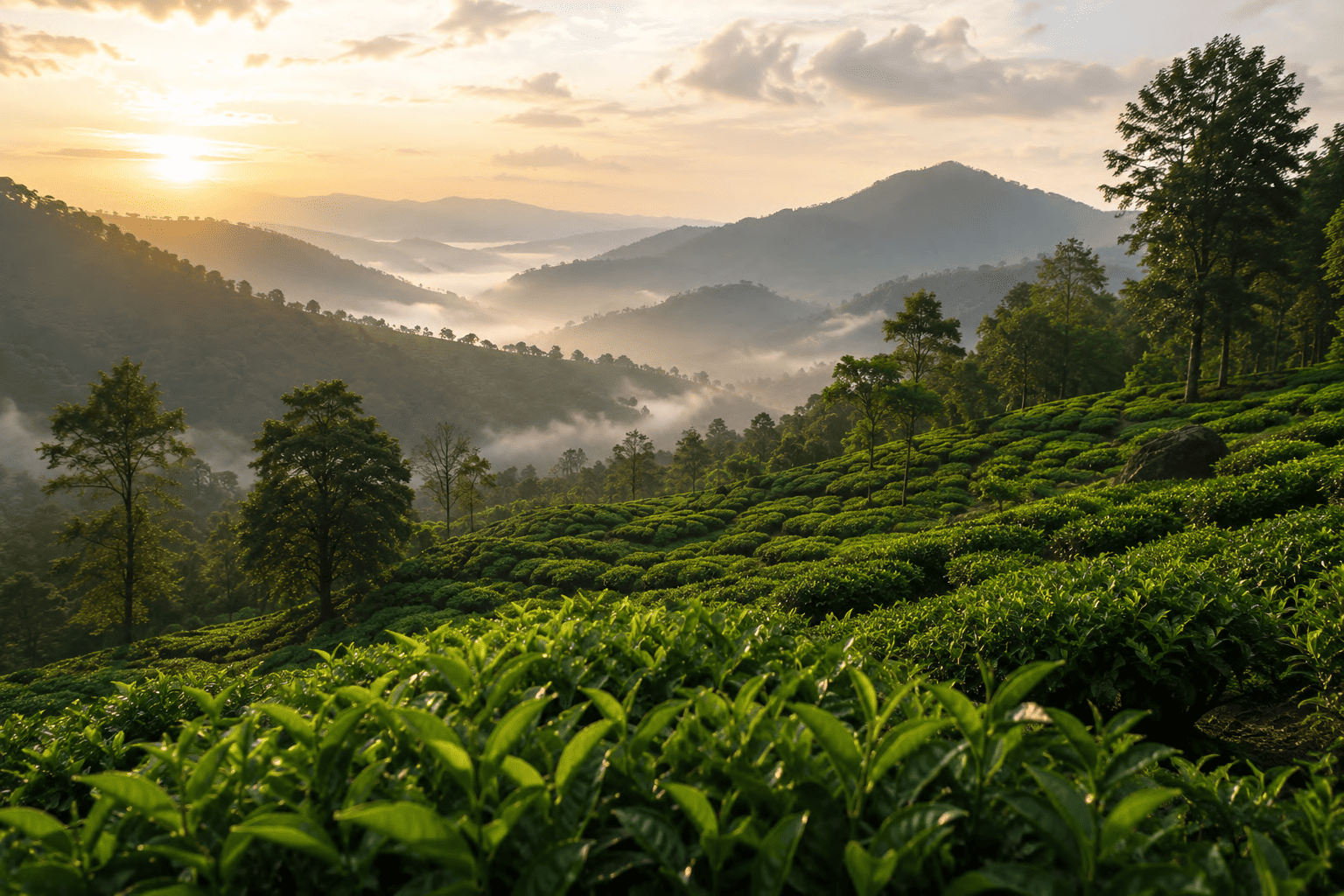
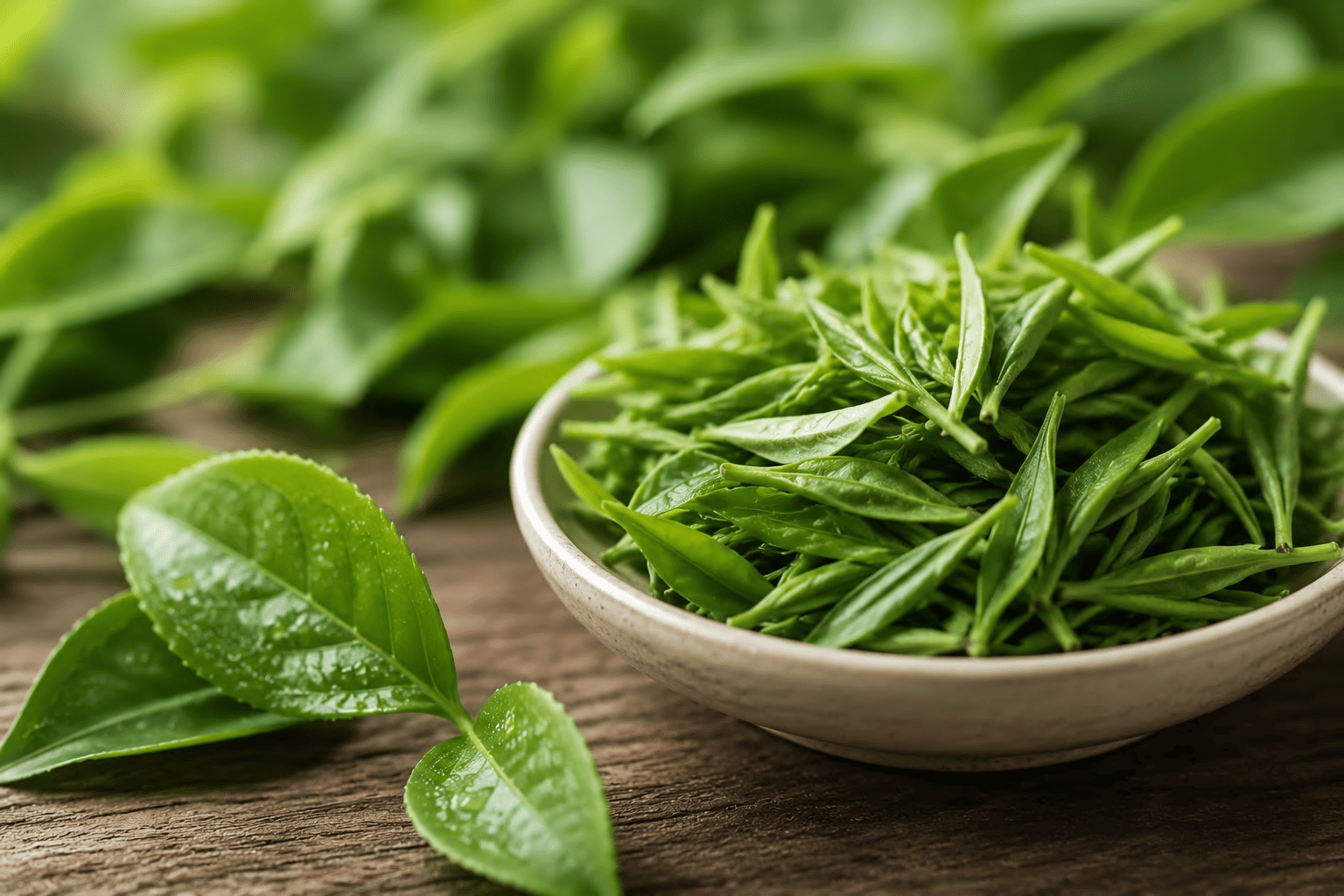
Tea plucking in Assam begins around 6am. Pluckers move through the garden rows collecting only the youngest growth — the top two leaves and a bud of each shoot. The moment that leaf separates from the plant, enzymes inside the cells begin reacting. Uncontrolled oxidation starts slowly and speeds up fast.
At Kartickbari, our garden is adjacent to the factory. Leaf arrives within an hour. At estates where the garden and factory are separated by distance, that window tightens and quality risk increases. Most buyers never consider that geography is a quality variable. It is one of the most important ones.
Hour 0–2: Withering
The first thing that happens in the factory is almost nothing visible. Fresh leaf — containing about 75% water — is spread in thin, even layers on long wire-mesh troughs and left to rest with air flowing underneath. Over the next 12–18 hours, the leaf loses moisture until it reaches around 65%.
This step is called withering, and it’s the most underestimated stage in CTC production.
The physical result is obvious: the leaf becomes pliable enough to pass through the rollers without crumbling. But the chemical effect matters more. As water decreases, flavour precursors concentrate. Amino acids, sugars, and aromatic compounds shift and intensify. The enzymes that will drive oxidation later begin activating within the still-intact cells.
Under-wither: the leaf is too rigid and wet, the CTC produces a flat, watery cup. Over-wither: the leaf is too dry, aromatics escape into the withering room rather than your cup. A correctly withered leaf held gently in the hand flexes without breaking and releases no surface moisture. This is judged by feel, not by a dial.
FROM THE FACTORY FLOOR
Monsoon flush takes longer to wither because ambient humidity slows moisture loss. The same target — same result — different time. Every season, every flush, every batch is slightly different. That’s not a process failure. That’s tea.
Hour 2–3: Through the CTC Rollers
The withered leaf moves to the CTC machine — counter-rotating, serrated metal rollers that cut, tear, and curl the leaf into small, tight granules simultaneously. Cut. Tear. Curl. The acronym is exactly what it describes.
The important thing CTC does is dramatically increase the surface area of the tea. A tightly rolled granule has many times more surface exposed to hot water or simmering milk than a whole leaf would. This is why CTC brews faster, stronger, and more consistently than orthodox tea — and why it holds up to milk and spice without disappearing. That’s not a compromise of the CTC process. That’s what it was engineered to do.
The gap between the rollers determines particle size and therefore grade. Too tight and friction heats the leaf prematurely, producing a harsh cup. Too loose and the leaf isn’t properly processed. Setting the rollers is a skilled call, made fresh for each batch.
Hour 3–4: Oxidation
The granules come off the rollers warm, dark green, and smelling of crushed grass. They’re spread immediately on cool, flat tables in layers 2–3 inches thick and left undisturbed.
This is where Assam CTC becomes itself.
With cell walls now ruptured by the rollers, enzymes have direct access to the leaf’s catechins — the base compounds that become theaflavins and thearubigins. In the presence of oxygen, the transformation happens. The colour moves from green to copper to brown. The aroma moves from grassy to floral to malty and warm.
How long oxidation runs is one of the most critical decisions in CTC production. Shorter oxidation — more theaflavins — brighter, brisker cup. Longer oxidation — more thearubigins — darker, rounder, more mellow cup. Temperature in the oxidation room changes the rate of the enzyme reaction. This is why second flush from a hot June tastes different from first flush from a cooler March, even from the same garden and the same rollers.
FROM THE FACTORY FLOOR
We watch the colour of the leaf and smell the room continuously during oxidation. The malty aroma of correct second-flush Assam CTC is unmistakable once you know it — warm, round, slightly sweet. When it’s there, we send the leaf to drying. You cannot rush this step without losing something permanent in the cup.
Hour 4–5: Drying
At peak oxidation, the granules must move immediately to the dryer. Any delay means over-oxidation — a flat, stewed cup.
The dryer is a long enclosed tunnel through which hot air flows at controlled temperature. Granules travel through over 20–25 minutes, dropping from ~65% moisture to below 3%. The heat halts oxidation by inactivating the enzymes, removes the moisture that would otherwise cause mould, and through a mild Maillard reaction, contributes the warm, slightly toasted dimension of a well-made Assam black tea.
Dryer temperature is one of the easiest places to damage tea irreversibly. Too high and the granules scorch — bitter, hollow, dark. Too low and residual moisture means flat flavour and mould risk in storage. The correct window is narrow, varies with granule size and incoming moisture content, and is monitored by an experienced operator reading the exit tea by hand and eye.
Hour 5–6: Grading and Packing
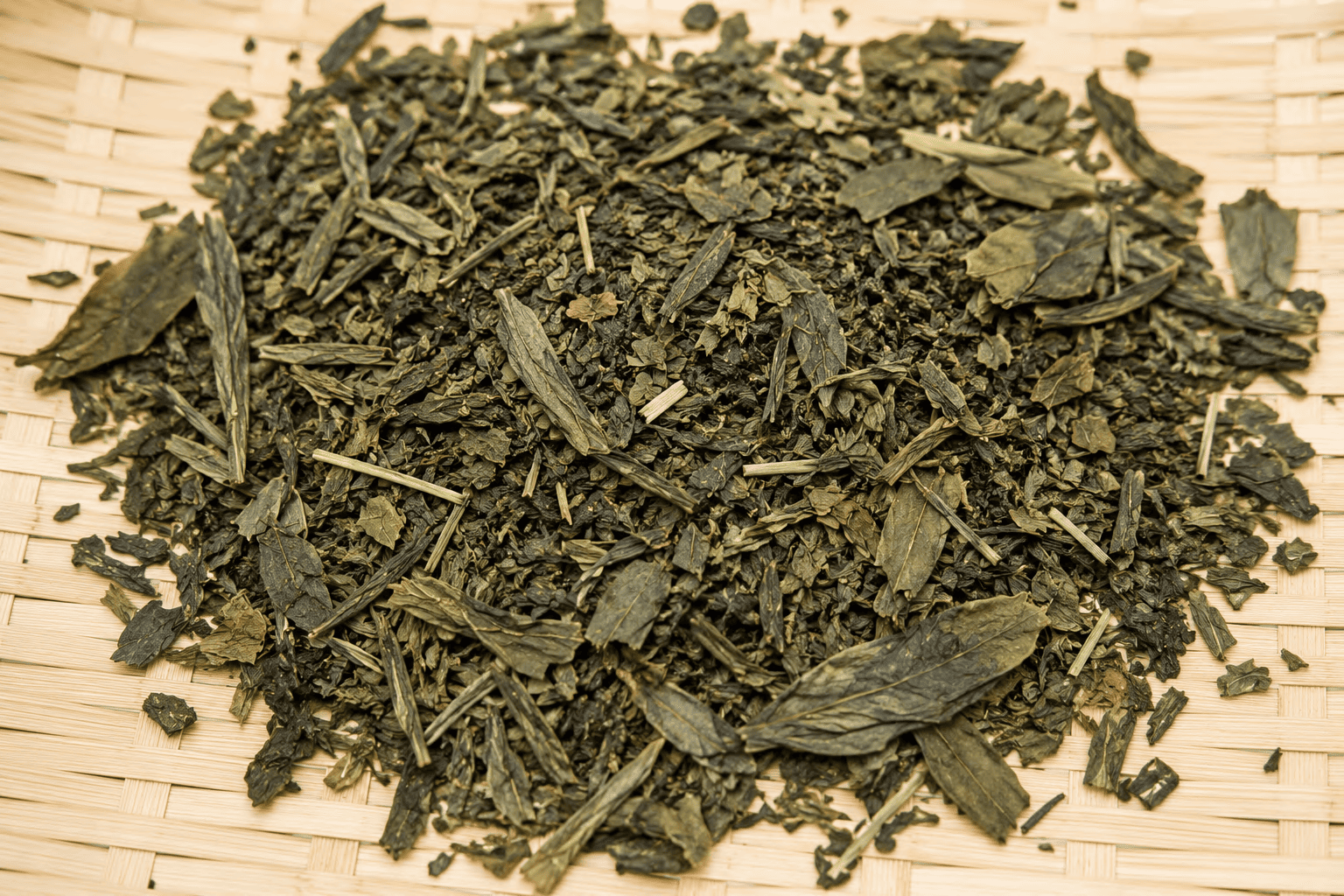
Dried CTC emerges as a mixed mass of granule sizes. Vibrating sieves separate it: larger particles become Broken Pekoe (BP) or Broken Pekoe Small (BPS), mid-size become Pekoe Fannings (PF), fine particles become Fannings or Dust (D). Each grade brews at a different speed and intensity.
Here is the thing the industry rarely says clearly: grade is a description of particle size. It is not a quality rating. BP from a carefully managed second flush in Bengenakhowa is a superior tea to BP from a monsoon flush on an estate that rushes its processing. The grade is identical. The cup is not.
After grading, the tea is packed in foil-lined bags as close to dispatch as possible. No warehouse. No blending hall. No time waiting somewhere between the dryer and your kitchen.
FAQ
What’s the difference between CTC and orthodox tea processing?
Orthodox tea is rolled in ways that preserve the leaf structure — whole or twisted leaves. CTC uses industrial rollers that cut, tear, and curl the leaf into granules. CTC brews faster and stronger and was designed specifically for the Indian chai preparation: boiled in water, finished with milk and spice. The two processes produce fundamentally different cups and aren’t substitutes for each other.
Why does Assam use CTC and Darjeeling use orthodox?
Different plants, different purpose. Assam’s large-leafed Camellia sinensis assamica suits CTC processing and produces the bold, malty cup the method requires. Darjeeling’s smaller Chinese-origin bushes produce delicate, nuanced leaves whose character would be destroyed by CTC rollers. Geography, cultivar, and tradition all align.
Is fresher CTC always better? For aroma and briskness, yes. The volatile compounds that give fresh Assam CTC its lively, malty nose diminish over time. A tea brewed within 2–3 months of factory production will be noticeably brighter than the same tea six months later. This is the practical case for buying garden-direct rather than retail stock that may have spent months in a distributor’s warehouse.